Quick Links

Information for newcomers to learn about the fascinating craft of Beekeeping in Getting Started.

Practical advice on many aspects of Beekeeping in our Knowledge Centre.

The latest reports from the SBKA President and other Officers.

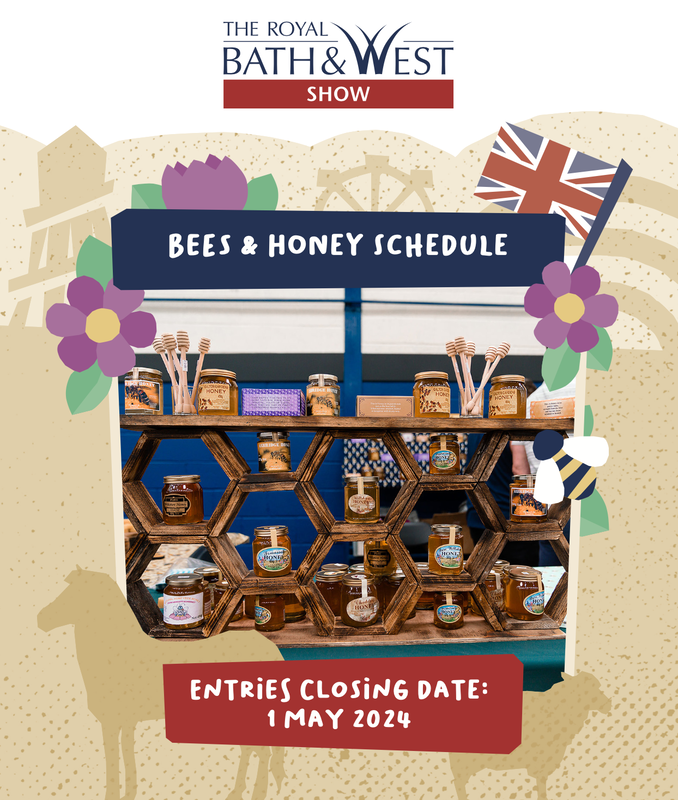
Information about the shows at which the SBKA will be represented; come along and see us at these upcoming events.

For our members, read the latest news letters and press releases.

Find out who's who in our Divisions.

Contact our webmaster to comment on or contribute to our website


improve memory 


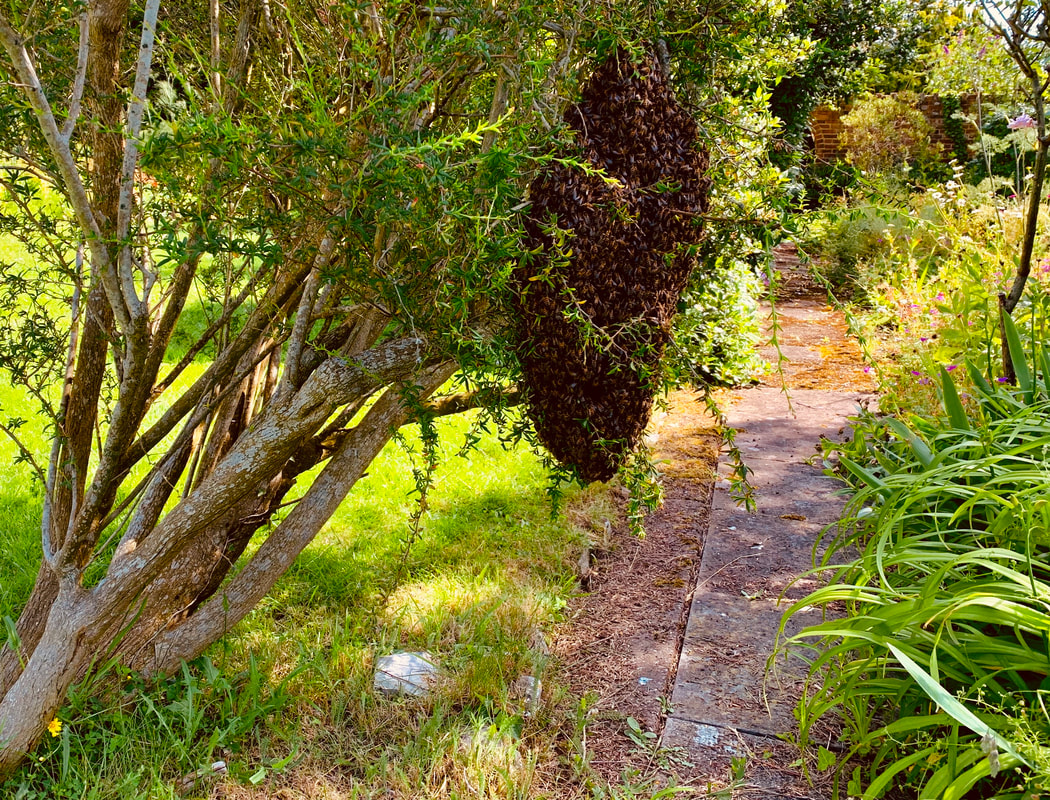
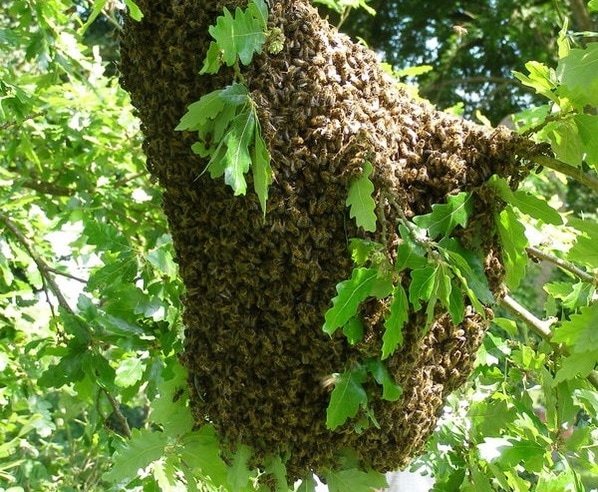
For honeybee swarm removal, or help and advice on any bee related matters, see the contact information on these pages.


PLEASE NOTE: WE ARE UNABLE TO REMOVE ESTABLISHED COLONIES IN BUILDINGS AND STRUCTURES, AND AT HEIGHTS AND INACCESSIBLE LOCATIONS THAT POSE A SAFETY RISK TO OUR MEMBERS.


Welcome


Welcome to the Somerset Beekeepers' new web-site. We've substantially increased the range of material on the site to appeal to beekeepers of all levels of experience. If you've visited us before, you'll still find the helpful introductory descriptions, of how to take up beekeeping, and what makes it such a fascinating craft. We have however, substantially increased the range of advice and guidance, in the form of 'How To...' papers and videos in our new Knowledge Centre section.


In order to localise activity and facilitate services to members, the Somerset Beekeepers' Association is split up into twelve Divisions. Full divisional map and information can be found by clicking on any division below

The divisions are:

Burnham & District Division.

Central Division covering the Wells & Shepton Mallet area

Exmoor Division.

Frome & District Division.

Mendip & District Division.

Quantock Division.

Somerton & District Division.

South Eastern Division covering the Wincanton area.

South Western Division covering Ilminster & Chard area.

Taunton & District Division.

Wedmore and Cheddar Division

Yeovil & District Division


Each Division is responsible for organising it's own programme of events, and for it's own finances, which includes setting annual subscription rates.

The County Association is managed by a Council, which is made up of elected officers, and delegates from each Division. Most counties across the country have a Beekeepers' Association, and all these County Associations are affiliated to a national body, The British Beekeepers' Association, from which Government and European organisations can be lobbied.

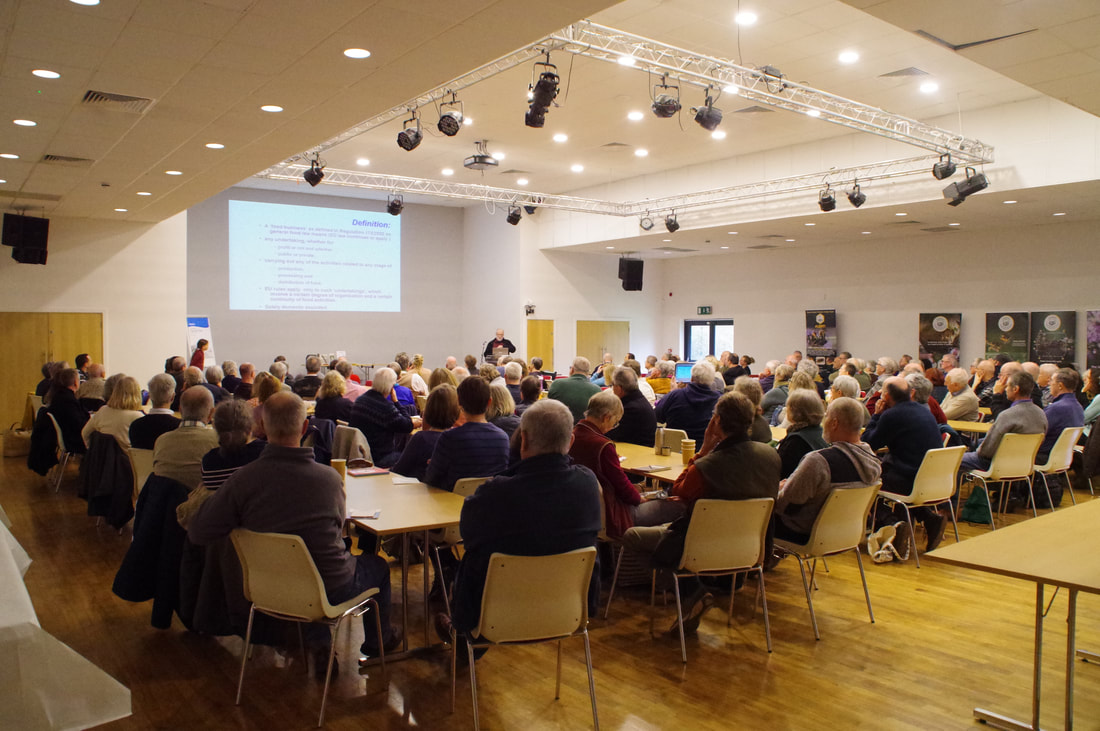
The British Beekeepers' Association organise national events such as the Annual Beekeepers' Convention, held at Stoneleigh in Warwickshire, and the Somerset Beekeepers' Association organises county events such as the Annual Lecture Day, and beekeeping courses. Most of the activity however, takes place at Divisional level, and usually includes beekeeping demonstrations in the summer, and lectures and social events in the winter.

Advantages of membership.

Contact with other beekeepers.

Discounted prices on equipment.

Advice and assistance from experienced beekeepers.

Free access to beekeeping library.

Free lectures and demonstrations.

Hire of honey extractor.

Contact with DEFRA and BBKA.

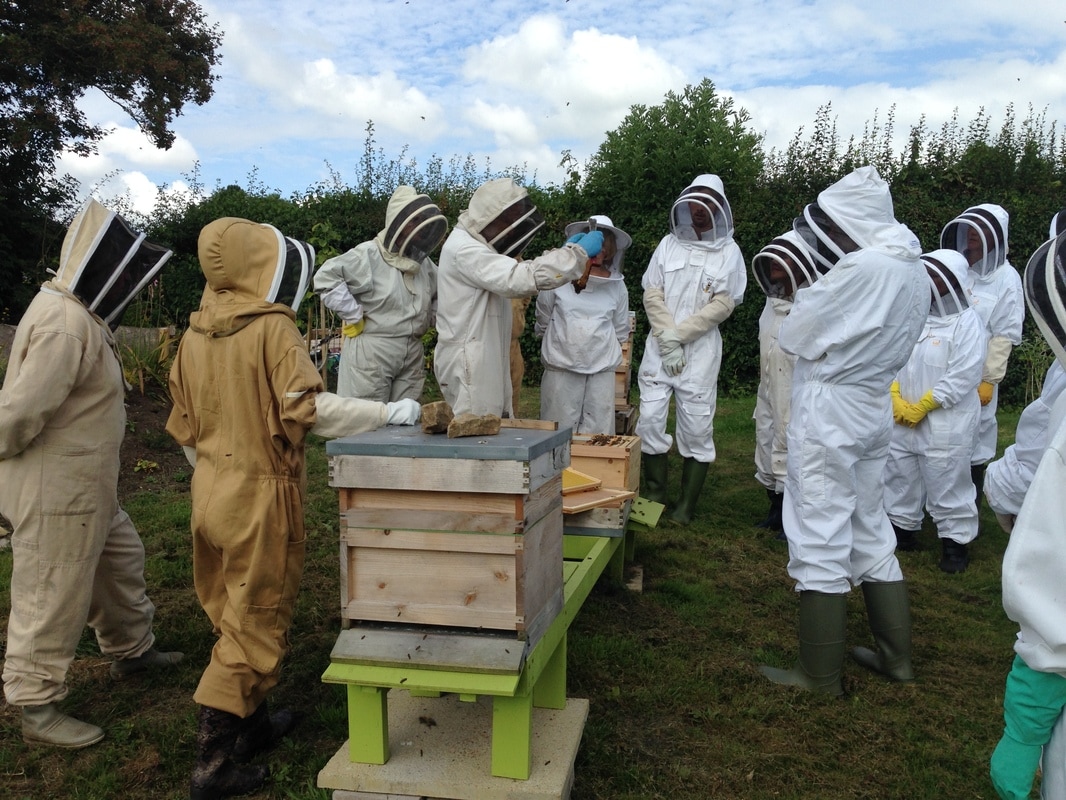
Beekeeping courses for beginners.

Brood disease insurance.

Free public liability insurance.

Comprehensive insurance.

Microscopic examination of bee samples.

Access to honey shows.

Regular Newsletters with constant update of information.

Swarm directory.

Disease diagnosis and advice.

Free Year Book with a full list of Somerset members.

Spray Liaison Scheme.


We hope you will find this site useful, whether you're a member of our association, or come from elsewhere in the UK or further afield. As ever, we'd welcome your feedback on our site, and if we manage to captivate you, we'd especially welcome you contacting us to become a member. So take some time to look around the site. Learn how the bees collect nectar and pollen from flowers. Discover how they make honey, and the part that the beekeeper plays in harvesting it, and presenting it on our breakfast table. What is propolis, and how is it used by the honey bee? Where does beeswax come from, and how is it used by both bees and man? Look into the reasons that produce the impulse to swarm, and the steps that can be taken to prevent or control it. Examine the role played by the queen, drones and worker bees, and the fascinating inter-play in an efficient and well organised community. What effect has the Varroa mite had on modern beekeeping, and how have the wild honey bee colonies been affected?

The beehive has come a long way since the days of the straw skep, but do the modern advantages help the bees, or the beekeeper, or both? Certainly, the use of frames in which the bees can build their honeycomb, has proved beneficial to both man and insect, and has played a huge role in modernising the craft. Beekeeping is seen by many as a fascinating and relaxing hobby, but it can cover so much more, leading to scientific research, carpentery, photography, self sufficiency, conservation and and an increased awareness of nature, and the world we live in.


SBKA - Winner of Best Web-Site at Apimondia 2005

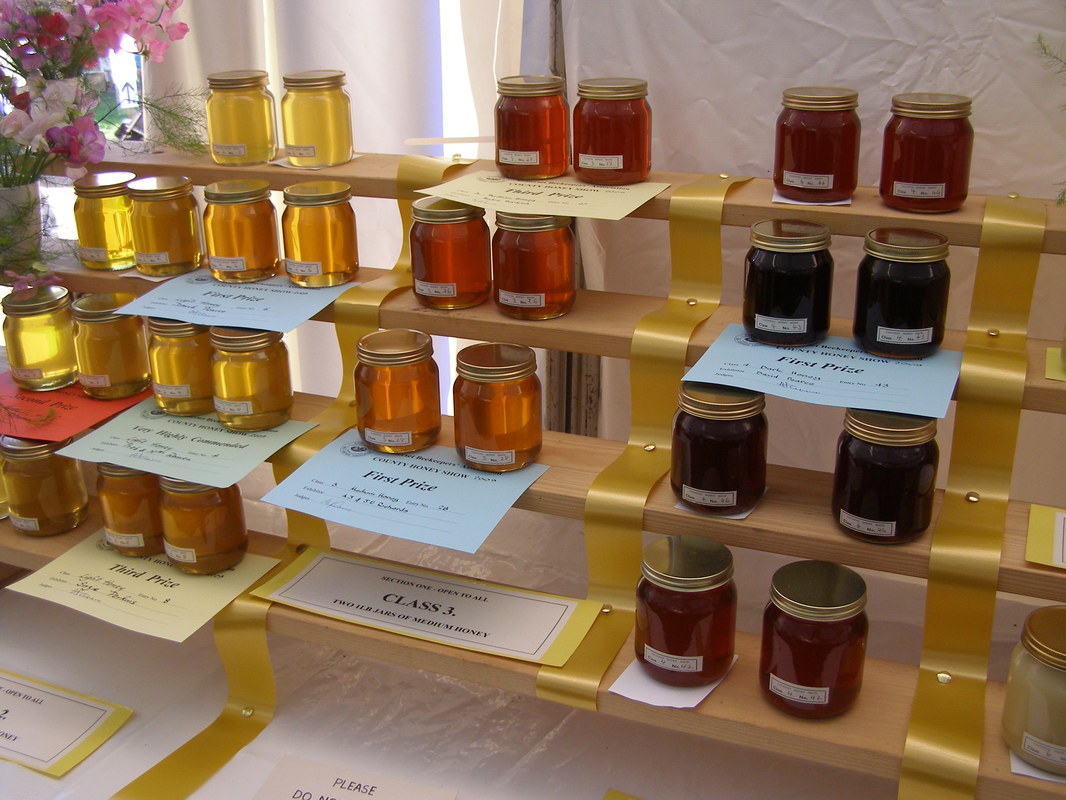
Checkout the Honey Shows around the county this year


© Somerset Beekeepers’ Association. All Rights Reserved.